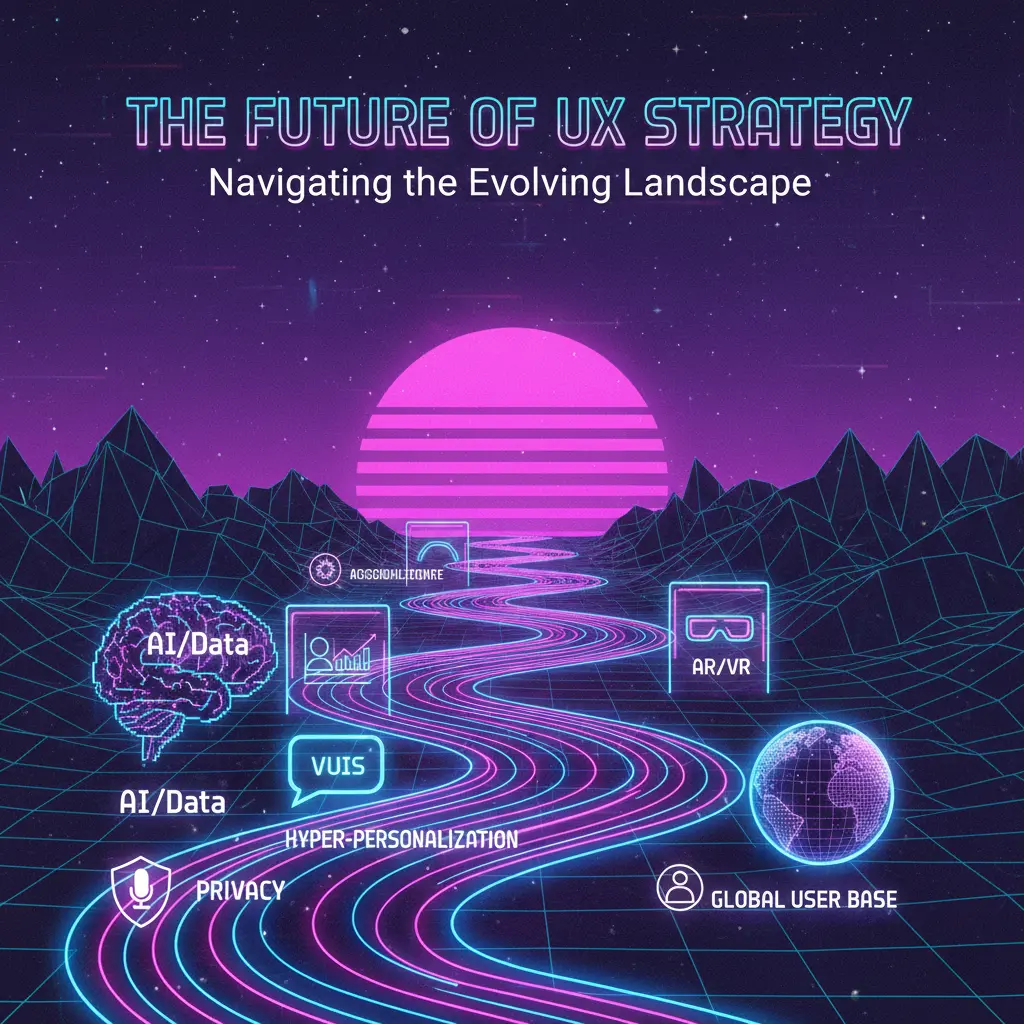
Navigating the Evolving Landscape
User Experience (UX) strategy is at the forefront of creating compelling, user-centered products and services. As technology and user expectations continue to evolve, the future of UX strategy promises to be dynamic and transformative.
This article explores emerging trends, anticipated challenges, and the key factors that will shape the future of UX strategy.
1. Emphasis on Hyper-Personalization
The Rise of AI and Data Analytics
Hyper-personalization is set to become a cornerstone of UX strategy. Advances in artificial intelligence (AI) and data analytics enable designers to create highly tailored experiences that cater to individual user preferences and behaviors.
By leveraging vast amounts of data, AI can provide insights into user habits, needs, and context, allowing for the creation of adaptive interfaces and personalized content.
Real-Time Adaptation
In the future, UX strategy will increasingly focus on real-time adaptation. Imagine an app or website that adjusts its layout, content, and recommendations based on the user’s current context, behavior, and even mood.
This level of personalization not only enhances user satisfaction but also fosters deeper engagement by making interactions more relevant and meaningful.
2. Integration of Emerging Technologies

Augmented Reality (AR) and Virtual Reality (VR)
The integration of AR and VR technologies into UX strategy will redefine how users interact with digital content. AR overlays digital information onto the physical world, while VR immerses users in entirely virtual environments.
As these technologies become more mainstream, UX strategies will need to account for new interaction paradigms and design considerations.
Voice User Interfaces (VUIs)
Voice User Interfaces are gaining traction as voice-activated devices and virtual assistants become ubiquitous. Designing for voice interactions involves creating intuitive and natural conversational experiences, which requires a deep understanding of user intent and context.
UX strategies will need to incorporate VUIs into their design processes, ensuring that voice interactions complement other forms of user engagement.
3. Ethical Considerations and Privacy

Data Privacy and Security
As UX strategies increasingly rely on data to drive personalization and innovation, concerns about data privacy and security will become more prominent. Users are becoming more aware of how their data is used and are demanding greater transparency and control.
UX strategies will need to address these concerns by implementing robust data protection measures and clearly communicating data practices to users.
Ethical Design Practices
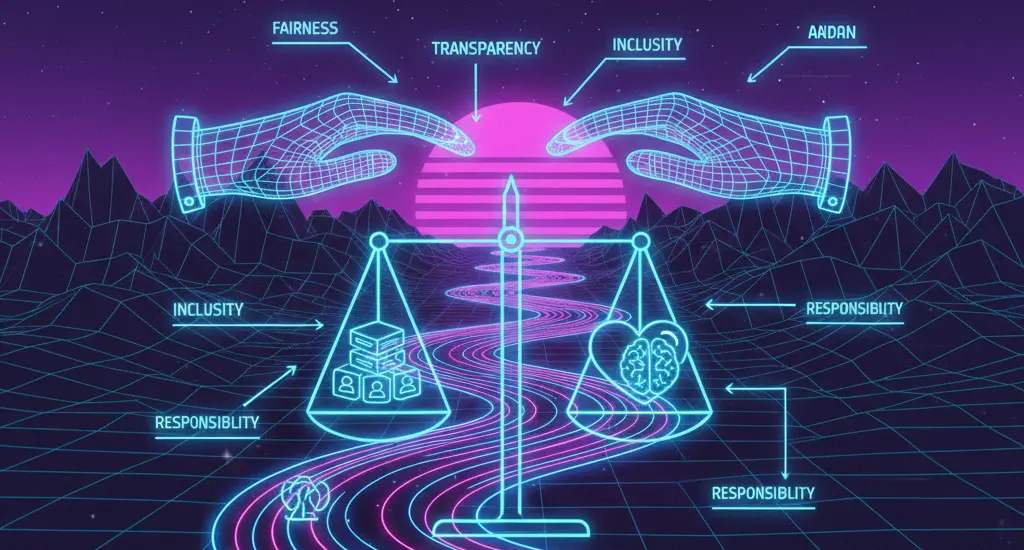
Ethical considerations will play a significant role in shaping the future of UX strategy. Designers will need to balance user needs with ethical considerations, such as avoiding manipulative design practices and ensuring inclusivity.
Developing ethical design frameworks and fostering a culture of responsibility will be essential for building trust and maintaining a positive user experience.
4. Focus on Accessibility and Inclusivity

Designing for All Users
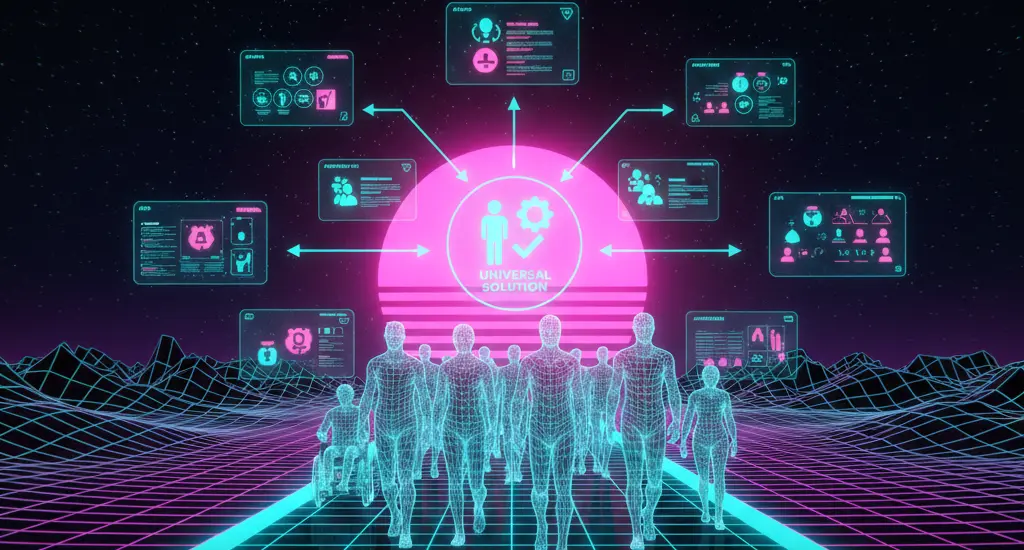
Accessibility and inclusivity will continue to be critical elements of UX strategy. As the global population becomes more diverse, UX strategies will need to address the needs of users with varying abilities, backgrounds, and preferences.
This includes designing for users with disabilities, accommodating different languages and cultural contexts, and ensuring that digital experiences are accessible across a range of devices and platforms.
Inclusive Design Principles
Adopting inclusive design principles will be essential for creating products and services that cater to a broad audience. This involves involving diverse user groups in the design process, conducting usability testing with varied demographics, and considering the impact of design decisions on different user segments.
By prioritizing inclusivity, UX strategies can create more equitable and engaging experiences.
5. The Evolution of UX Research
Continuous User Feedback
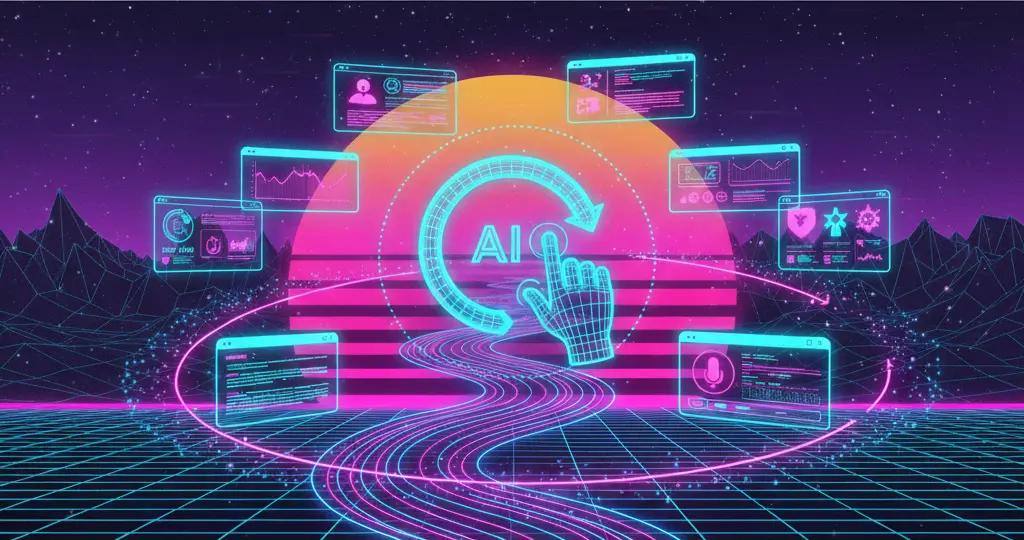
The future of UX research will be characterized by continuous user feedback and iterative design processes. Traditional methods of usability testing and user research will be complemented by real-time data collection and feedback mechanisms.
This approach allows for ongoing refinement and optimization based on actual user behavior and preferences.
Behavioral Analytics and Machine Learning
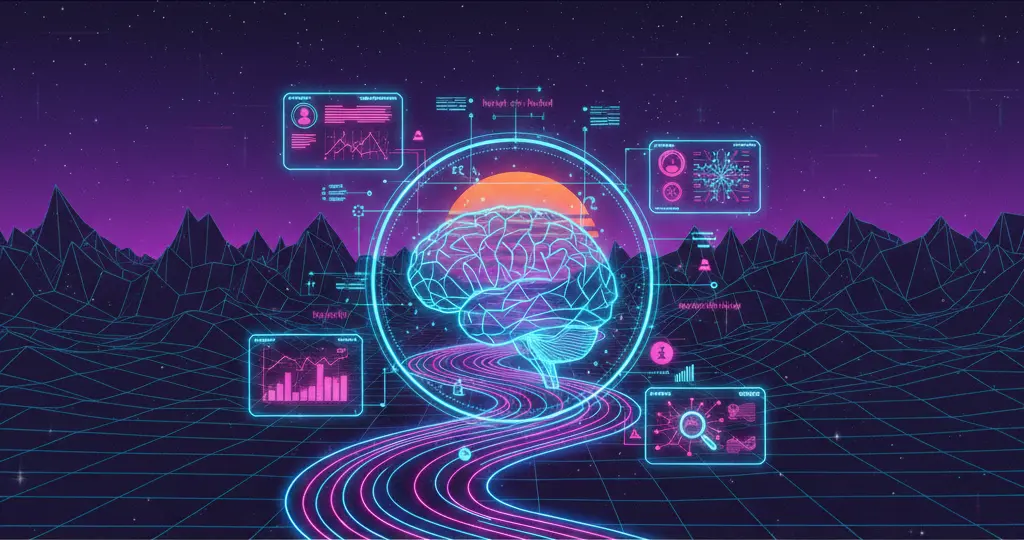
Behavioral analytics and machine learning will enhance UX research by providing deeper insights into user interactions and patterns. These technologies can identify trends, predict user needs, and uncover hidden issues that may not be apparent through traditional research methods.
By integrating behavioral analytics into UX research, designers can make more informed decisions and create data-driven design solutions.
6. Collaboration and Cross-Disciplinary Approaches
Integrated Design Teams
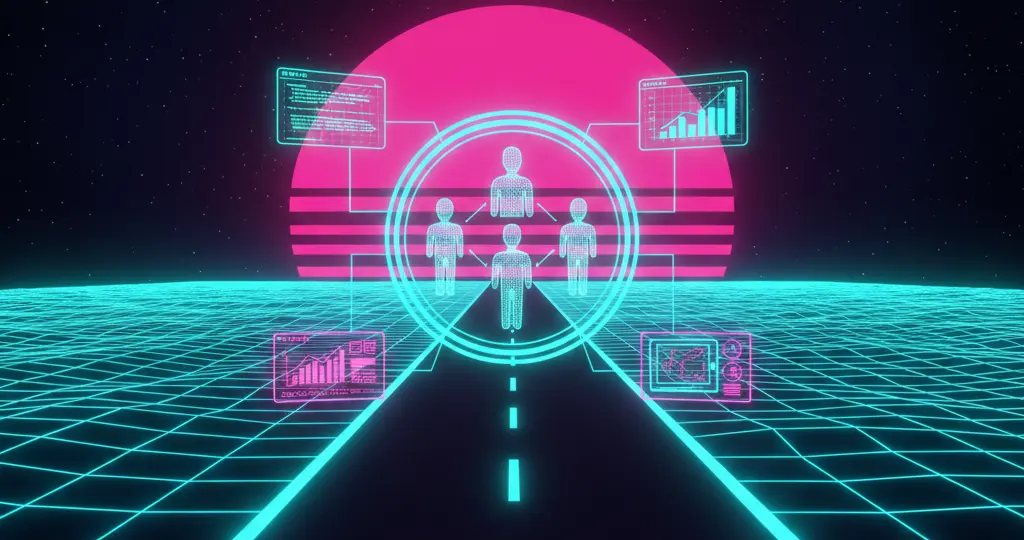
The complexity of modern UX challenges will require greater collaboration across design, development, and business teams. Integrated design teams that include UX designers, developers, product managers, and other stakeholders will be essential for addressing multifaceted problems and delivering cohesive solutions.
Cross-disciplinary collaboration fosters diverse perspectives and ensures that all aspects of the user experience are considered.
Design Thinking and Agile Methodologies
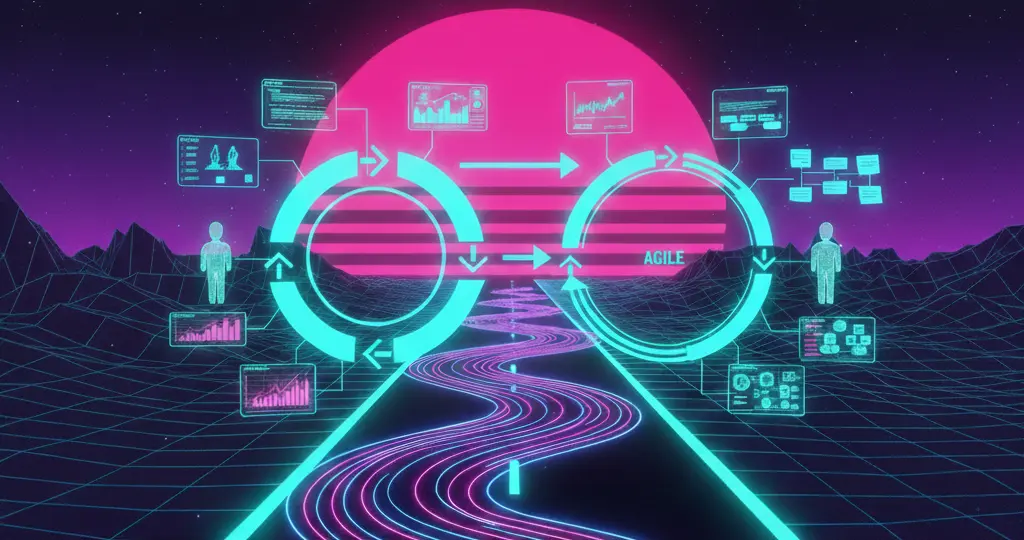
Design thinking and agile methodologies will continue to influence UX strategy, promoting iterative design and rapid prototyping. These approaches emphasize empathy, experimentation, and flexibility, allowing teams to adapt to changing user needs and market conditions.
Integrating design thinking with agile practices will enhance the ability to deliver user-centered solutions efficiently and effectively.
7. The Role of Automation and Tools
Automated Design Processes
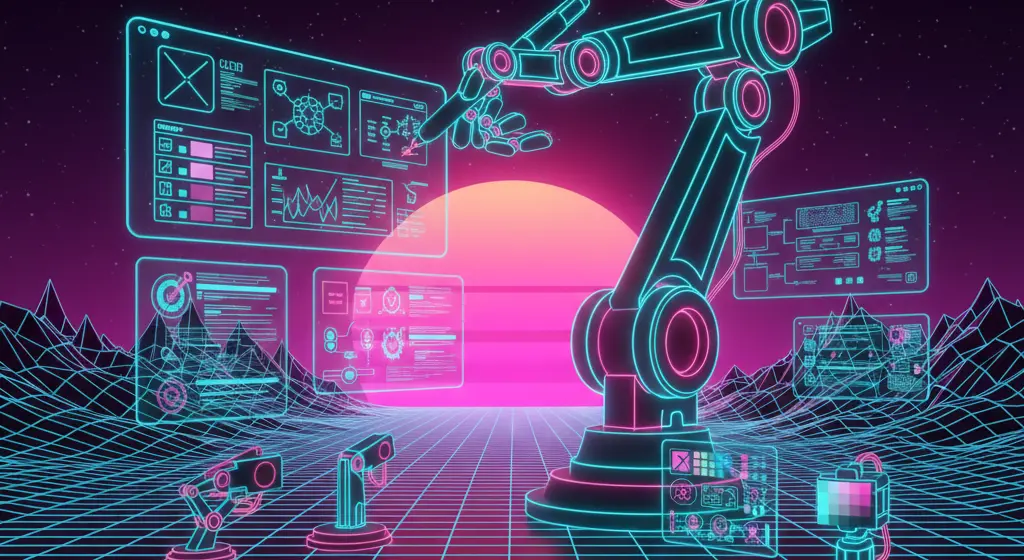
Automation will play a significant role in streamlining design processes and improving efficiency. AI-powered tools can automate routine tasks, such as generating design variations, conducting usability tests, and analyzing user data.
By leveraging automation, UX designers can focus on higher-level creative and strategic work, while tools handle repetitive and time-consuming tasks.
Enhanced Design Tools
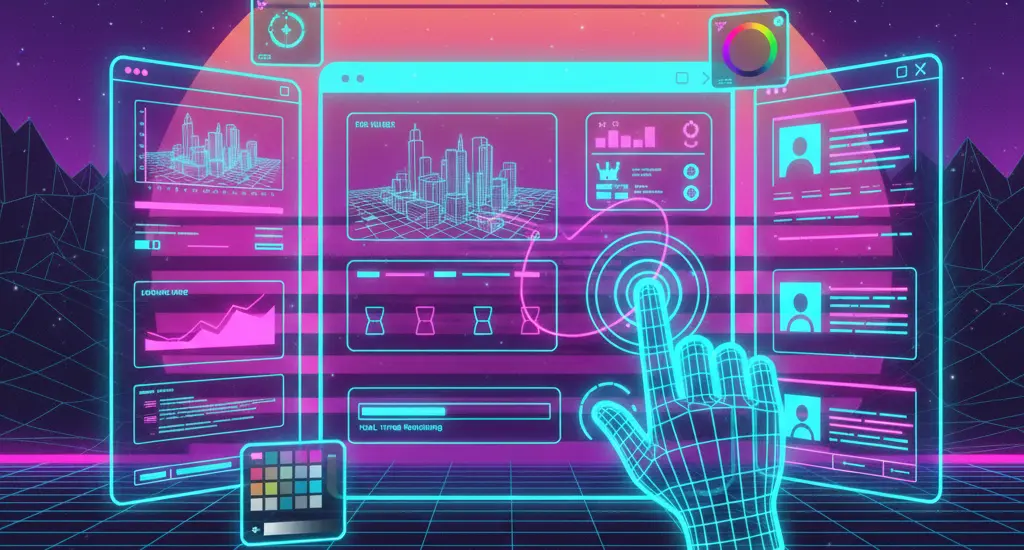
Advancements in design tools will further enhance UX strategy by providing more sophisticated capabilities for prototyping, collaboration, and user testing.
Tools that integrate with AI, offer real-time feedback, and support seamless collaboration will become increasingly important for designing complex and innovative user experiences.
8. Adapting to a Global User Base
Cultural Sensitivity
As digital products and services reach a global audience, UX strategies will need to address cultural differences and preferences. Designing with cultural sensitivity involves understanding diverse user behaviors, values, and expectations, and adapting designs accordingly.
This approach ensures that products and services resonate with users from different cultural backgrounds and contribute to a more inclusive global experience.
Localization and Internationalization
Localization and internationalization will be integral to UX strategy for global markets.
Localization involves adapting content, interfaces, and interactions to specific languages and cultural contexts, while internationalization ensures that products are designed to accommodate multiple languages and regions.
Both approaches are crucial for delivering a seamless and relevant user experience across diverse markets.
Conclusion
The future of UX strategy is set to be characterized by hyper-personalization, the integration of emerging technologies, and a heightened focus on ethical considerations, accessibility, and inclusivity.
As UX research evolves with continuous feedback and advanced analytics, and as collaboration and automation shape design processes, the field will continue to adapt and innovate.
By embracing these trends and addressing the challenges of a global and diverse user base, UX strategists can create compelling and meaningful experiences that meet the evolving needs of users and drive the future of design.